Beginner's Guide to Container Gardening - Newbie Gardening Tips
Container gardening is a fantastic way to bring nature into your home, enrich your living space, and cultivate plants successfully. It lets you grow plants on your balcony, porch, patio, indoors, or in other compact spaces perfect for people living in apartments or with limited gardening space. This comprehensive guide will help any beginner to navigate these initial stages of container gardening and find joy in this rewarding activity.
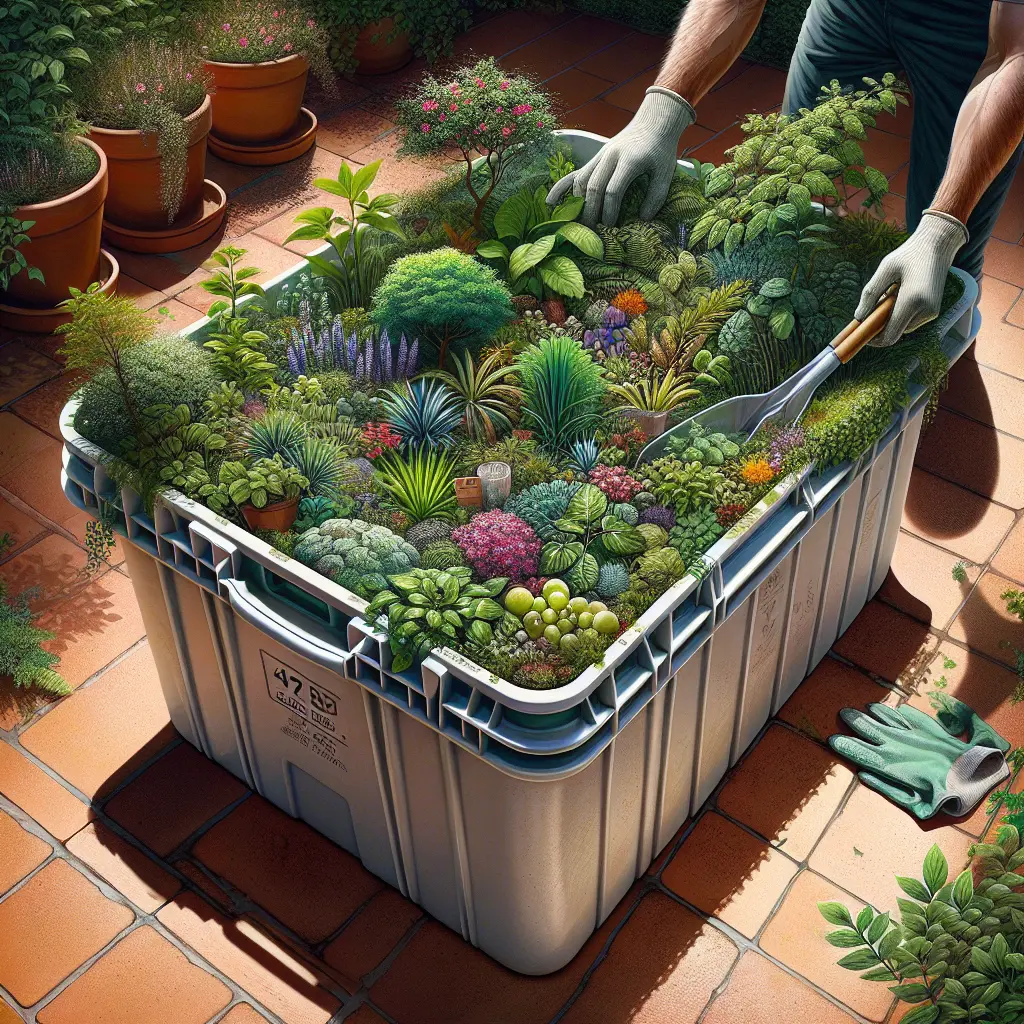
What is Container Gardening?
Container gardening involves growing plants in closed environments such as pots, planters, and hanging baskets rather than in the ground. Versatile and adaptable, this method allows individuals to grow a variety of plants - flowers, herbs, vegetables, shrubs, and even trees - in virtually any location with adequate light and air circulation.
Benefits of Container Gardening
Flexibility
One of the most significant benefits of container gardening is its flexibility. With containers, you can easily move your plants around based on their sunlight and space requirements. They can be placed anywhere - balconies, decks, windowsills, or indoors, making gardening possible even in high-rise apartments with no yard. This adaptability is especially beneficial for renters or those with changing outdoor conditions. Additionally, container gardening allows for the easy rearrangement of your plant display, giving you the freedom to frequently refresh your living space's aesthetic.
Ease of Maintenance
Container gardens are easier to maintain than traditional gardens. They require less watering, weeding, and are less prone to soil-borne diseases. The contained environment also makes it simpler to control pests and manage plant health. Moreover, container gardening minimizes the physical strain often associated with traditional gardening, such as extensive digging or bending, making it accessible to people of all ages and abilities.
Better Control
Containers provide better control over growing conditions like soil quality, water, light, and temperature, crucial to the growth and health of your plants. This control is particularly advantageous for growing plants that have specific needs not met by your local outdoor environment. Furthermore, container gardening allows for the creation of micro-environments, enabling the cultivation of a wider variety of plants than might be possible in your regional climate.
How to Begin Your Container Gardening Journey
There are several key considerations when starting a container garden:
Choose the Right Container
Containers come in different shapes, sizes, and materials. Choose one based on the type and size of the plants you plan to cultivate. Ensure the container has adequate drainage to prevent waterlogging. Containers with lighter colors or reflective materials are ideal for hot climates as they keep the roots cooler. For urban settings with limited space, vertical gardening using hanging baskets or wall-mounted containers can be an effective solution.
Pick Quality Potting Soil
For container gardening, use potting soil instead of ordinary garden soil. It's lighter, allows better drainage, and usually enriched with nutrients necessary for plant growth.
Choose Your Plants Wisely
Select plants that are compatible with your container size, location conditions, and personal preferences. Consider factors like sunlight requirements, height, and spread of the plants.
Water and Fertilize Consistently
Consistent watering and fertilization are crucial for container gardening, as the limited soil volume can dry out or deplete nutrients faster.
Container Gardening FAQs
What kind of containers can be used for gardening?
You can use nearly any container for your plants as long as it provides adequate drainage. This can include plastic pots, ceramic pots, wooden containers, or even recycled items like cans, buckets, or boots. It's creativity mixed with functionality.
How frequently should I water container plants?
The frequency depends on several factors like the type of plant, size of the container, exposure to sunlight, and climatic conditions. Generally, container plants need watering when the top 1 inch of soil becomes dry.
How much sunlight does a container garden require?
Generally, most vegetables and flowers require a minimum of 6 hours of direct sunlight per day. However, some plants like ferns, orchids, and ivy can tolerate or even prefer shady conditions.
What type of plants can we grow in containers?
Almost any plant can be grown in a container, from vegetables, herbs, and fruits, to ornamentals, succulents, and even small trees or shrubs.
Science of Soils and Fertilizers
Understanding Potting Soil: Potting soil is crucial in container gardening. Unlike garden soil, potting soil is designed to ensure proper drainage and aeration. Different types include peat-based, bark-based, and coir-based, each with unique properties. Peat-based soils are lightweight and good for moisture retention, while bark-based soils are more porous, ideal for orchids or succulents. Coir-based soils, made from coconut husks, are sustainable and maintain good air and moisture balance.
Soil pH and Nutrient Balance: The pH level of your soil can greatly affect plant growth. Most plants thrive in slightly acidic to neutral soil (pH 6-7). You can adjust soil pH using lime (to increase alkalinity) or sulfur (to increase acidity). Additionally, understanding NPK (Nitrogen, Phosphorus, Potassium) values in fertilizers is key. Nitrogen promotes leaf growth, phosphorus is for roots and flowers, and potassium is for overall health.
Organic vs. Synthetic Fertilizers: Organic fertilizers, derived from plant or animal matter, release nutrients slowly and improve soil structure. Synthetic fertilizers provide quick nutrient release but can lead to salt buildup. Balancing both types can provide immediate and long-term benefits to your plants.
Step-by-Step Guide to Setting Up a Container Garden
Choosing the Right Location: Most plants need 6-8 hours of sunlight. Observe the sunlight pattern in your space and choose a spot that meets the light requirements of your chosen plants.
Preparing the Container: Ensure each container has drainage holes. Add a layer of gravel or broken pottery at the bottom to prevent soil from escaping and improve drainage. Fill the container with potting soil, leaving some space at the top for watering.
Planting: When planting seeds, follow the depth and spacing guidelines on the seed packet. For seedlings, make a hole in the soil large enough to accommodate the root ball, place the plant, and gently fill in with soil.
Initial Care: Water the plants thoroughly after planting. For the first few weeks, monitor the sunlight exposure and moisture levels closely, adjusting the plant's position if necessary.
Plant Recommendations Based on Conditions
For Sunny Locations: Choose sun-loving plants like tomatoes, peppers, marigolds, or petunias.
For Shady Areas: Opt for shade-tolerant plants such as ferns, impatiens, and begonias.
For Different Climates: Tropical plants like hibiscus thrive in warm climates, while pansies and kale are better for cooler areas.
Pest Control and Plant Health Maintenance
Managing Pests Organically: Neem oil, insecticidal soaps, and homemade garlic or chili pepper sprays can deter pests. Encourage beneficial insects like ladybugs that feed on harmful pests.
Disease Prevention: Ensure proper spacing between plants for air circulation. Water at the base rather than overhead to prevent fungal diseases.
Regular Maintenance: Inspect plants regularly for signs of stress or disease. Prune dead or diseased foliage to keep plants healthy.
Seasonal Advice for Container Gardening
Adjusting for Seasons: In summer, provide shade during peak heat. In winter, move containers to a sheltered location or indoors if necessary.
Season-Specific Plants: Grow cool-season crops like lettuce and spinach in spring and fall. In summer, opt for heat-tolerant plants like zinnias or basil.
Extreme Weather Protection: Use covers to protect plants from frost. During heatwaves, increase watering frequency and provide shade.
Tips and Tricks for Flourishing Growth
Advanced Techniques: Learn pruning techniques specific to each plant. Use stakes or trellises for vining plants.
Water Conservation: Mulch the topsoil to retain moisture. Consider self-watering containers to reduce watering frequency.
Encouraging Flowering and Fruiting: Use high-phosphorus fertilizers to encourage blooms. Regularly pinch off spent flowers to promote more blooms.