Container Gardening Techniques: A Guide for Beginners
Container gardening is a popular trend across the globe that allows you to flexibly design and grow your own garden regardless of the space or place. It's not only a fun activity but also quite beneficial. It can brighten up small spaces, improve the air quality in your home, save on grocery bills, and even act as a stress reliever. So, are you eager to develop your own green oasis but don't know where to start? This guide aims to address everything you need to know about starting a container garden as a beginner, plus some expert gardening advice to help you along the way.
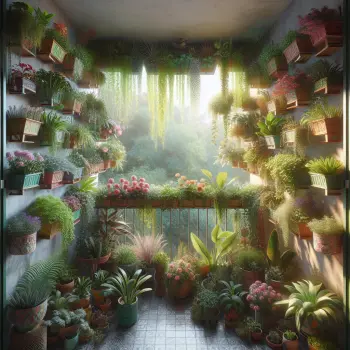
Getting Started with Container Gardening
What is Container Gardening?
Container gardening refers to the method of growing plants incontainers rather than in the ground. The containers can range from pots and boxes to hanging baskets and vertical planters, offering a versatile solution for those with limited space or mobility.
Why Choose Container Gardening?
Container gardening is particularly useful for urban dwellers living in apartments or houses with small yards. Aside from space effectiveness, it allows for better control over soil, light, and temperature conditions - allowing for healthy plant growth.
Choosing the Right Container
When it comes to choosing containers, there are several considerations. Look for containers that are deep and wide enough for your plant's roots, with adequate drainage holes at the bottom. Materials can range from plastic and clay to wood and ceramic; each with its pros and cons. For example, clay pots are porous and good for water retention but can break easily, while plastics are lightweight and inexpensive but may deteriorate over time.
Selecting Your Plants
The next step is choosing what to grow. You can go for flowers, herbs, vegetables, or a mix. When selecting plants, consider their sunlight and water needs, growth habits (whether they spread or climb), and how well they will fare in your climate.
Soil and Planting Recommendations
Using high-quality potting soil instead of garden soil is crucial for container gardening. Potting soil is lighter, drains well, and often comes with added nutrients. For planting, the general rule is to plant as deep as the plant is tall. After planting, water thoroughly.
Watering and Feeding Your Plants
Watering and feeding are important for plant health. Most container plants prefer a steady supply of moisture, but not too much or too little. You will need to learn your plants' water needs and monitor them regularly. Additionally, feeding your plants with organic compost or a slow-release fertilizer can help them thrive.
Common Questions About Container Gardening
-
Can any plant be grown in a container?
Almost. However, plants with large root systems or that grow very tall might not thrive in a container. Also, some plants need specific light or moisture conditions that can be challenging to meet in a container. -
How often should I water container plants?
This largely depends on the plant species, size of the container, and weather. In hot weather, you might need to water your plants daily, or even twice a day, while in cooler weather, watering might only be needed every few days. -
How big should the container be for my plants?
The size of the pot should correlate with the size of the plant. Small plants generally need smaller pots, while larger plants require bigger ones. -
Should I put rocks or broken pot pieces at the bottom of the container for better drainage?
Some gardeners swear by this practice, but research suggests it may hinder drainage more than help it. If your container has sufficient drainage holes, a layer of rocks isn't necessary. -
Why are my container plants dying?
There could be numerous reasons, such as: over or under-watering, inappropriate container size, poor quality soil, pests, inadequate lighting conditions, or inappropriate temperature. -
Can I make my own potting soil mix?
Yes, you certainly can! Many gardeners prefer to make their own potting soil so they know exactly what's going into it. One common recipe includes two parts compost, one part peat moss, and one part perlite or coarse sand.
Container gardening allows you to bring your gardening dreams to life, regardless of the space you have available. As long as you consider your plant's needs, choose appropriate containers, and provide the right nutrients and care, you will be on your way to creating a thriving garden in your little corner of the world. Even the smallest spaces can be transformed into a lush, green sanctuary with a little creativity and patience.
Easy Starter Container Garden
Creating a beginner-friendly container garden is a rewarding way to grow your own fresh produce and herbs. This simple garden includes four easy-to-care-for plants and step-by-step instructions on how to set it up.
Plants for Your Garden
-
Cherry Tomatoes: Choose a compact cherry tomato variety, ideally a determinate type, as they stay more compact and are well-suited for containers. Tomatoes require full sun for at least 6 hours a day.
-
Basil: Basil is an aromatic herb that pairs wonderfully with tomatoes. It thrives in containers and prefers well-draining soil. Place your basil container in a sunny spot.
-
Green Beans: Opt for a bush variety of green beans. They are hassle-free and don't need trellises. A container with a depth of at least 12 inches is suitable for green beans. They enjoy ample sunlight and consistent moisture.
-
Chives: Chives are a hardy herb that doesn't demand much attention. They can thrive in a small to medium-sized pot and can tolerate both sunny and partially shaded locations.
Creating Your Container Garden
Follow these steps to set up your container garden:
Step 1: Container Selection
Choose appropriately-sized containers for each plant. Ensure the containers have drainage holes at the bottom to prevent waterlogged soil.
Step 2: Potting Mix
Use high-quality potting mix specifically designed for containers. Fill each container with the potting mix, leaving some space at the top.
Step 3: Planting
Plant your cherry tomato, basil, green bean, and chive seedlings or seeds according to the instructions on the plant labels. Make sure to plant them at the recommended depths and spacing.
Step 4: Placement
Place your containers in a sunny location where they can receive at least 6 hours of sunlight daily. Ensure they are well-spaced for good air circulation.
Step 5: Watering
Water your plants thoroughly after planting. Check the soil moisture regularly and water when the top inch feels dry. Avoid overwatering, as it can lead to root rot.
Step 6: Fertilizing
Use a balanced, slow-release fertilizer or organic compost to provide essential nutrients to your plants. Follow the package instructions for application.
Care and Maintenance
- Prune and pinch basil regularly to encourage bushier growth.
- Provide support for your cherry tomato plant as it grows.
- Harvest green beans when they reach a suitable size.
- Snip chives as needed for culinary use.
By following these simple steps, you'll be able to enjoy a thriving container garden with minimal effort. Happy gardening!